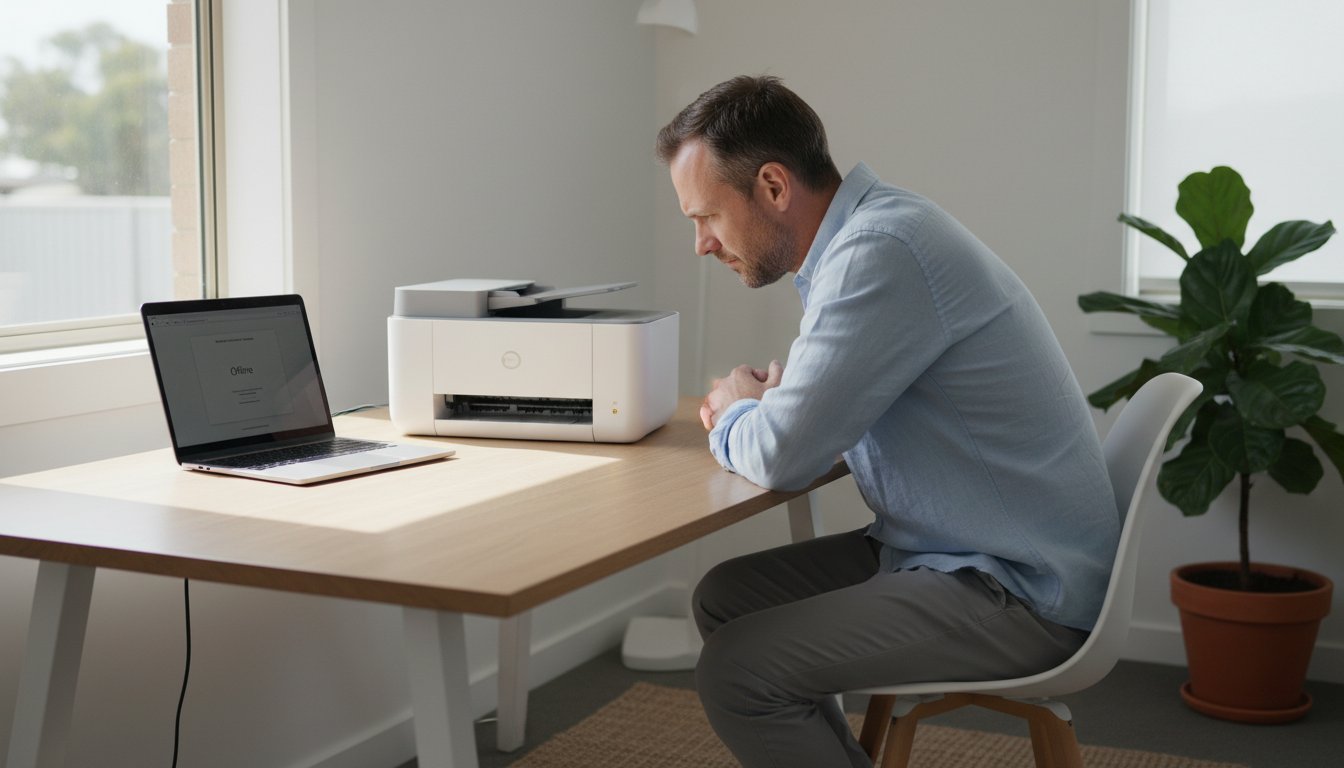
Why Is My Printer Offline? Complete Troubleshooting Guide
Few technology problems are as frustrating as trying to print an important document only to discover that your printer is showing an offline status. Whether you use a printer at home, in a small business, or in a busy office environment, an offline printer can interrupt productivity and delay important tasks.
A printer offline error occurs when your computer cannot communicate with the printer properly. Even though the printer may be powered on and connected to your network or computer, the operating system treats it as unavailable. As a result, print jobs remain stuck in the queue, documents fail to print, and users are left searching for a solution.
Common Reasons Why a Printer Goes Offline
Understanding the cause of the problem is the first step toward fixing it.
Connection Problems
A weak wireless signal, disconnected network connection, or loose cable can interrupt communication between the printer and the computer.
Printer Powered Off
Sometimes the printer may be turned off, in sleep mode, or experiencing a power-related issue.
Incorrect Printer Settings
If the printer is configured to work offline or another printer is selected as the default device, print jobs may not reach the intended printer.
Outdated Printer Drivers
Printer drivers allow the operating system to communicate with the printer. Old or corrupted drivers can trigger offline errors.
Stuck Print Jobs
A failed print job can block communication and prevent new documents from printing.
Print Spooler Issues
The print spooler service manages print jobs before they reach the printer. Problems with this service can cause the printer to appear offline.
Network Configuration Changes
Changes to wireless network settings, router updates, or network interruptions can affect printer connectivity.
Software Conflicts
Operating system updates or third-party software can occasionally interfere with printer communication.
Signs That Your Printer Is Offline
You may notice several symptoms when your printer goes offline.
-
The printer displays an offline status.
-
Documents remain stuck in the print queue.
-
Printing does not start.
-
The computer cannot communicate with the printer.
-
Error messages appear during printing.
-
Wireless printing suddenly stops working.
-
The printer does not respond to commands.
These signs indicate that communication between the printer and computer has been interrupted.
How to Fix an Offline Printer
Check the Printer Power
Ensure the printer is powered on and has completed its startup process. Verify that the power cable is securely connected.
Verify the Connection
For wireless printers, confirm that the printer is connected to the correct network. For wired printers, inspect all cables and reconnect them if necessary.
Restart the Printer
Turn off the printer, wait briefly, and then turn it back on. Restarting often resolves temporary communication issues.
Restart Your Computer
A computer restart can refresh system processes and restore communication with the printer.
Set the Printer as the Default Device
Open your printer settings and ensure the correct printer is selected as the default printing device.
Disable Offline Mode
Check printer settings and make sure the printer is not configured to work offline.
Clear the Print Queue
Remove all pending print jobs and send a new document to print.
Restart the Print Spooler
Restarting the print spooler service can resolve issues involving stuck print jobs and communication failures.
Update the Printer Driver
Install the latest printer driver compatible with your operating system. Updated drivers improve stability and compatibility.
Reinstall the Printer
If the issue continues, remove the printer from your device and install it again. A fresh installation can resolve configuration problems.
Run the Printer Troubleshooter
Many operating systems include built-in troubleshooting tools that automatically identify and fix common printer issues.
Tips to Prevent Printer Offline Problems
Following these best practices can help keep your printer connected and available.
-
Keep printer drivers updated.
-
Maintain a stable network connection.
-
Use high-quality cables for wired connections.
-
Clear completed print jobs regularly.
-
Keep the printer firmware updated.
-
Restart the printer occasionally.
-
Review printer settings after system updates.
-
Perform routine printer maintenance.
-
Keep the operating system updated.
-
Monitor network performance regularly.
Common Mistakes to Avoid
Avoiding these mistakes can reduce future offline issues.
-
Ignoring software updates.
-
Using damaged cables.
-
Leaving failed print jobs in the queue.
-
Selecting the wrong default printer.
-
Disconnecting the printer during active print jobs.
-
Ignoring network connection problems.
-
Skipping routine maintenance.
These mistakes often contribute to recurring communication failures.
FAQs
Why does my printer keep showing offline?
This is commonly caused by connection problems, outdated drivers, incorrect settings, print queue issues, or network interruptions.
Can restarting the printer fix the offline error?
Yes. Restarting the printer often clears temporary communication problems and restores connectivity.
Why are my documents stuck in the print queue?
Failed print jobs, software conflicts, or print spooler issues can prevent documents from printing and leave them stuck in the queue.
Should I update my printer driver?
Yes. Updated drivers improve communication, compatibility, and overall printer performance.
How can I stop my printer from going offline again?
Keep drivers updated, maintain a stable network connection, clear print jobs regularly, perform routine maintenance, and verify that the correct printer settings are selected.
Conclusion
An offline printer can be frustrating, but the issue is usually caused by simple communication or configuration problems rather than hardware failure. Whether the problem is related to network connectivity, incorrect settings, outdated drivers, print queue issues, or software conflicts, most offline errors can be resolved through basic troubleshooting.
How to Reach Our On-Call Support Team
Getting the help, you need is just a phone call away: