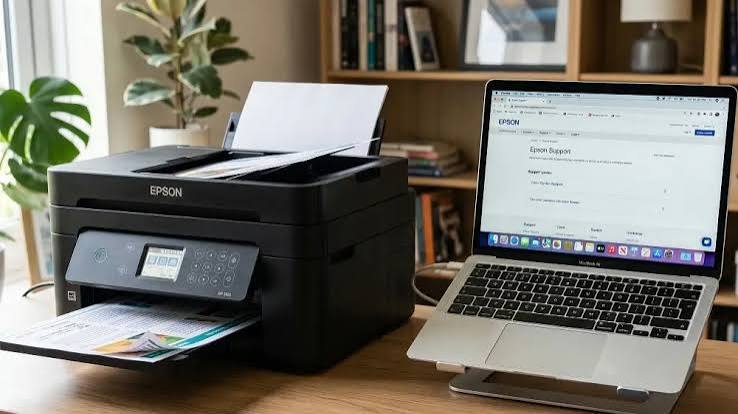
How do I install a driver for my Epson printer?
An Epson printer driver is an essential piece of software that allows your computer to communicate with your printer. Without the correct driver, your computer may not recognize the printer, print jobs may fail, or advanced printing features may not work properly. Whether you are setting up a new printer or reinstalling the software after changing your computer, installing the correct driver is an important part of the setup process.
Why Is a Printer Driver Important?
A printer driver acts as a bridge between your computer and the printer.
It helps your computer:
-
Send print jobs correctly
-
Access printer features
-
Communicate with the printer
-
Process documents accurately
-
Improve print quality
-
Maintain reliable performance
Installing the correct driver ensures your printer functions as expected.
Prepare Before Installing the Driver
Before beginning the installation, make sure your computer and printer are ready.
Check the following:
-
The printer is turned on.
-
Your computer is working normally.
-
You have sufficient storage space.
-
Your operating system is updated.
-
Any unnecessary applications are closed.
Preparing your system helps reduce installation problems.
Remove Previous Printer Drivers
-
If an older Epson printer driver is already installed, it may interfere with the new installation.
-
Remove outdated or incomplete printer drivers before installing the latest version.
-
This helps prevent software conflicts.
Obtain the Correct Driver
Always install the driver designed for your specific Epson printer model and operating system.
Using the correct driver improves:
-
Compatibility
-
Printing performance
-
Communication reliability
-
Overall stability
Installing an incompatible driver may prevent the printer from functioning properly.
Start the Installation
-
Begin the installation process and allow it to continue without interruption.
-
Avoid opening additional applications while the installation is running.
-
Interrupting the process may result in incomplete installation.
Follow the Installation Instructions
During installation, carefully follow each instruction displayed on your computer.
The installation process may include:
-
Accepting software terms
-
Selecting installation preferences
-
Preparing the printer connection
-
Completing the software setup
Read each step carefully before continuing.
Connect the Printer
When prompted, connect your printer using the appropriate connection method.
Depending on your printer model, this may include:
-
Wireless connection
-
Cable connection
Ensure the connection remains stable while the installation finishes.
Restart Your Computer
-
After the driver installation is complete, restart your computer.
-
Restarting refreshes system resources and allows the new driver to function properly.
-
This simple step often prevents communication problems.
Print a Test Page
Printing a test page confirms that the driver was installed successfully.
A successful test verifies that:
-
The printer is recognized.
-
Communication is working correctly.
-
Print jobs are processed successfully.
-
The printer is ready for normal use.
Testing immediately helps identify any remaining issues.
What If the Driver Does Not Install?
If the installation fails, review the following possible causes.
Check whether:
-
The operating system is updated.
-
The correct driver was selected.
-
The printer is turned on.
-
The computer has enough storage space.
-
Previous printer drivers were removed.
Reviewing these areas often resolves installation problems.
Update Your Operating System
An outdated operating system may prevent driver installation.
Keeping your operating system updated improves:
-
Compatibility
-
Stability
-
Security
-
Overall performance
Restart your computer after installing updates.
Review Security Software Settings
-
Security software may occasionally interfere with driver installation.
-
Review your security settings if the installation repeatedly fails.
-
After the installation is complete, restore any settings that were temporarily changed.
Update Printer Firmware
Firmware works together with the printer driver to improve communication and performance.
Keeping firmware updated improves:
-
Compatibility
-
Stability
-
Wireless communication
-
Overall reliability
Restart the printer after completing firmware updates.
Perform Routine Printer Maintenance
Routine maintenance helps reduce future software problems.
Regular maintenance includes:
-
Updating printer drivers
-
Installing firmware updates
-
Cleaning the printer
-
Monitoring ink levels
-
Restarting the printer occasionally
-
Checking printer settings
Routine care improves long-term reliability.
Tips for Successful Driver Installation
Following these best practices helps ensure a smooth installation.
Keep Your Operating System Updated
Current system updates improve compatibility.
Install the Correct Driver
Always use the driver intended for your printer model.
Close Background Applications
Reducing background activity improves installation performance.
Restart Your Computer After Installation
A restart helps activate the new driver properly.
Keep Printer Firmware Updated
Current firmware improves communication with the driver.
Review Printer Settings
Verify that the printer is selected as your preferred printing device.
Common Mistakes to Avoid
Avoid these common installation mistakes:
-
Installing an incorrect printer driver
-
Interrupting the installation process
-
Ignoring operating system updates
-
Leaving previous printer drivers installed
-
Running low on storage space
-
Leaving unnecessary applications open
-
Ignoring firmware updates
-
Skipping the test page after installation
Avoiding these mistakes improves installation success.
FAQs
Why do I need an Epson printer driver?
The printer driver allows your computer to communicate with the printer and access its printing features correctly.
Why is my Epson printer driver not installing?
Installation problems may be caused by an outdated operating system, incorrect driver selection, insufficient storage space, previous driver conflicts, security software interference, or temporary software issues.
Should I remove old printer drivers before installing a new one?
Yes. Removing outdated or incomplete drivers helps prevent software conflicts and improves installation success.
Why should I print a test page after installation?
A test page confirms that the driver is installed correctly and that your printer is ready for normal printing.
How can I prevent future printer driver problems?
Keep your operating system updated, install the correct driver for your printer model, update printer firmware regularly, remove outdated drivers before reinstalling, restart your computer after installation, perform routine printer maintenance, and review your printer settings periodically.
Conclusion
Installing an Epson printer driver is an important step that allows your computer and printer to communicate effectively. Most installation problems are caused by outdated operating systems, incorrect drivers, software conflicts, insufficient storage space, or temporary system issues rather than hardware faults.
How to Reach Our On-Call Support Team
Getting the help, you need is just a phone call away: